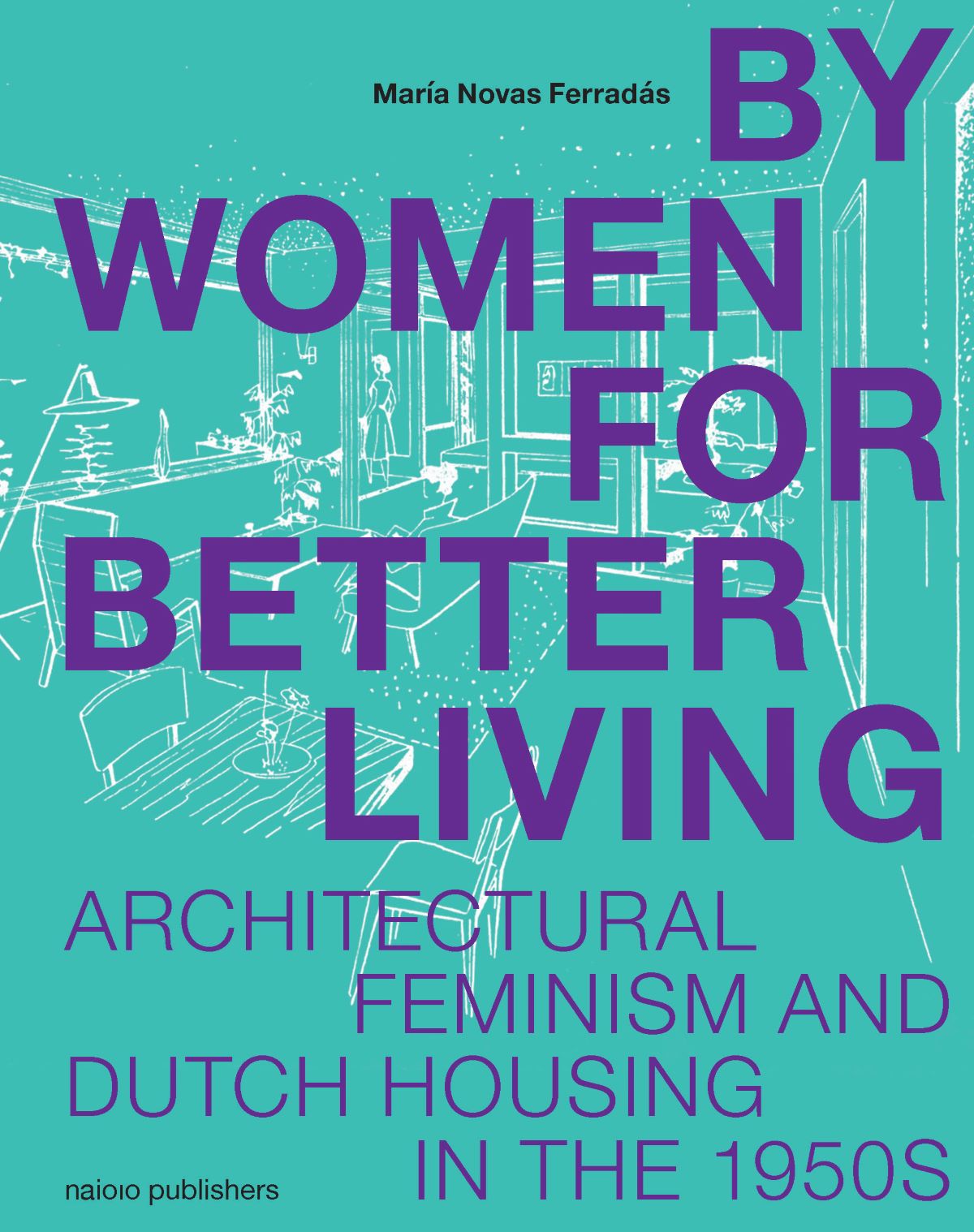
By Women For Better Living
Architectural Feminism and Dutch Housing in the 1950s
> A re-reading of architectural history through the lens of feminist practice
> How Dutch women used design as a powerful tool for social change in the face of systemic exclusion
> An urgent perspective on the intersection of gender, power and the built environment
The contributions of women to architectural history have long been overlooked. This book reconsiders that history by documenting the roles that collectively organized women played in shaping the built environment in the Netherlands by examining design as a tool for social change.
Two case studies anchor the narrative: the development of the Elisabeth Brugsmaflat in The Hague and the work of the first Women’s Advisory Committee on social housing design in Rotterdam. Through these examples, the book connects feminist theory with the realities of post-war housing design and shows how women intervened in spatial practices despite systemic exclusion.
Historical analysis demonstrates how feminist perspectives continue to influence architecture today. Instead of relegating these contributions to a footnote, the book treats them as fundamental to understanding how space, power, and gender intersect.
María Novas
Studio Maud van Rossum
978-94-6208-992-1
September 2026
expected
English
320 p
hardcover
